Wheeler Avenue Baptist Church: A Model for Today
Discover Wheeler Avenue Baptist Church in Houston, one of America's best churches. Under the leadership of Pastor Marcus D. Cosby, explore how it combines powerful preaching, authentic worship, and community impact, making it a model for today's generation.
CHURCH HEALTHEDITORS ARTICLESFEB 2026 EDITION
D. Brandon Campbell | Christianpreneur Writing Staff
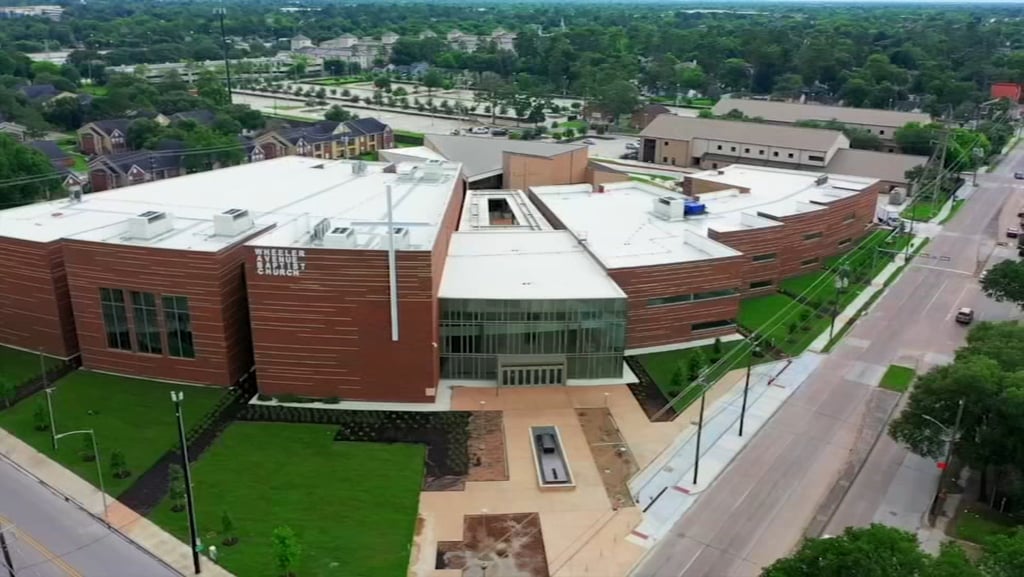
Wheeler Ave. Is One of America’s Best Churches
Some churches are remembered for what they used to be. Others are known for what they are becoming. Wheeler Avenue Baptist Church sits confidently in both categories, and that’s exactly why it stands out in a crowded landscape of American churches. In a city as large, diverse, and fast-moving as Houston, Wheeler Ave. has managed to remain deeply rooted while still speaking fluently to the moment we are living in right now. That kind of balance is rare. It does not happen by accident, and it certainly does not happen without intentional leadership, theological clarity, and a real commitment to the people beyond the sanctuary walls.
Wheeler Avenue is not simply a church that gathers people on Sundays. It is a church that understands formation. You can feel it in the way worship flows with purpose, in how preaching stretches both the heart and the mind, and in how the congregation is consistently challenged to live out their faith in tangible, measurable ways. This is not hype-driven ministry or personality-centered church culture. It is a mature expression of what a healthy, influential church looks like when it takes its calling seriously.
A legacy church that refuses to live in the past
There are historic churches across America that struggle with relevance because they confuse tradition with stagnation. Wheeler Avenue has never made that mistake. Its history matters, but it is not used as a shield against change. Instead, the church treats its legacy as a foundation, not a finish line.
The transition of leadership in the early 2000s could have been a fragile moment, as it often is in long-standing congregations. Instead, it became a season of clarity and continuity. The church moved forward without losing its soul, which is one of the hardest things for any legacy institution to do. Wheeler Ave didn’t abandon its theological grounding, its commitment to the Black church tradition, or its role as a voice in the city. It refined them, strengthened them, and positioned them for a new generation that still needed substance, not spectacle.
Leadership that is steady, thoughtful, and pastoral
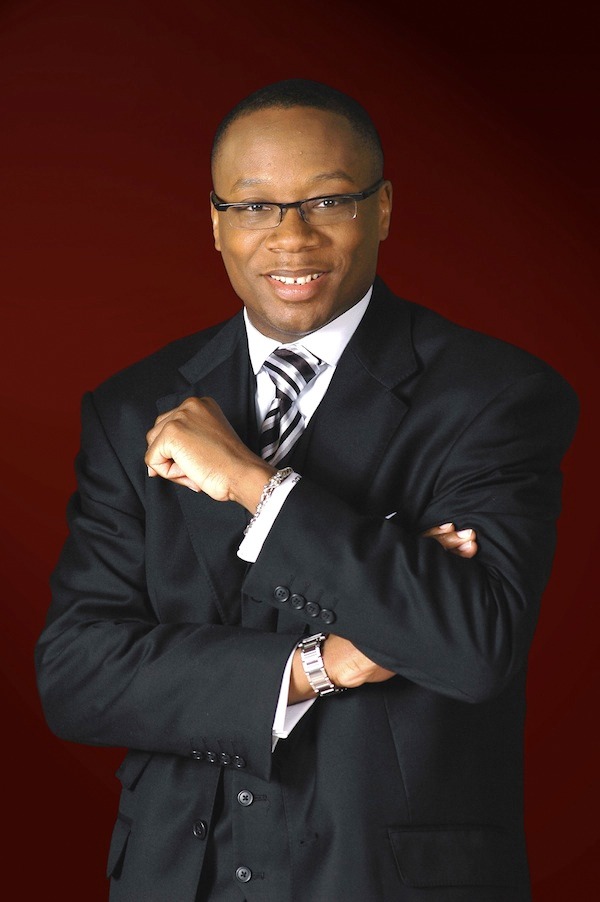
At the center of Wheeler Avenue’s present-day impact is Marcus D. Cosby, whose leadership style feels increasingly rare in an era of viral sermons and platform-building. Dr. Cosby does not lead from urgency or outrage. He leads from depth. His preaching reflects careful study, theological discipline, and a pastoral awareness that the Word of God must be applied, not merely admired.
What makes his leadership especially effective is the balance he maintains between prophetic courage and pastoral care. He speaks clearly about justice, responsibility, and moral accountability, but he does so without losing the shepherd’s heart. The sermons do not simply call people to agree with an idea. They call people to change patterns, rethink assumptions, and live differently once they leave the building. That is the kind of preaching that forms disciples instead of just drawing crowds.
Worship that invites participation, not performance
Wheeler Avenue understands something many churches miss: worship is not a production, it is a shared experience. Excellence is present, but it never overshadows authenticity. Music, liturgy, and preaching all work together to create an environment where people are not watching church happen, they are actively engaging in it.
That same philosophy carries over into how the church approaches accessibility and connection. Whether in-person or online, the goal is participation. The church has made intentional investments in digital ministry, streaming, and communication, not to chase trends, but to remove barriers. People who are new, returning, skeptical, or searching are not made to feel like outsiders. They are guided toward belonging, growth, and service in a way that feels thoughtful instead of transactional.
Faith that refuses to stay private
One of the clearest reasons Wheeler Avenue belongs on any list of America’s best churches is its refusal to separate faith from real life. The church does not treat social responsibility as a side project or optional add-on. It understands justice, stewardship, and community engagement as extensions of discipleship.
When Wheeler Ave speaks on economic responsibility, civic engagement, or community well-being, it does so from a biblical framework, not a political one. The message is consistent: following Christ has implications for how we live, how we spend, how we support one another, and how we respond to injustice. That posture may not always be comfortable, but it is honest. And honesty has always been one of the defining strengths of the Black church tradition at its best.
A church that still sounds like a church
Perhaps one of the most refreshing things about Wheeler Avenue Baptist Church is that it has not rebranded itself into something unrecognizable. It still sounds like a church. It still talks about worship, discipleship, education, service, and mission without watering those words down into vague slogans.
Its vision feels clear because it is rooted in theology, not trends. The church knows who it is, who it serves, and why it exists. That clarity creates stability for members and credibility for observers. In a time when many churches are struggling to define themselves, Wheeler Avenue stands as an example of what happens when identity is anchored in purpose rather than popularity.
Wheeler Ave. is not just one of Houston’s strongest churches. It is one of America’s best because it demonstrates what longevity, leadership, and faithfulness look like when they are held together with intention. It is proof that a church can be historic and still alive, prophetic and still pastoral, deeply spiritual and fully engaged with the world it is called to serve.








Subscribe To Christianpreneur